I’ve found myself mindlessly consuming media without really thinking about it. This typically happens with YouTube shorts (where you go to doom scroll if you don’t have Instagram or TikTok), or with a television show (when the next episode plays and I’m not actively choosing to continue), or even when picking up a book that I didn’t learn anything about before dedicating time to it.
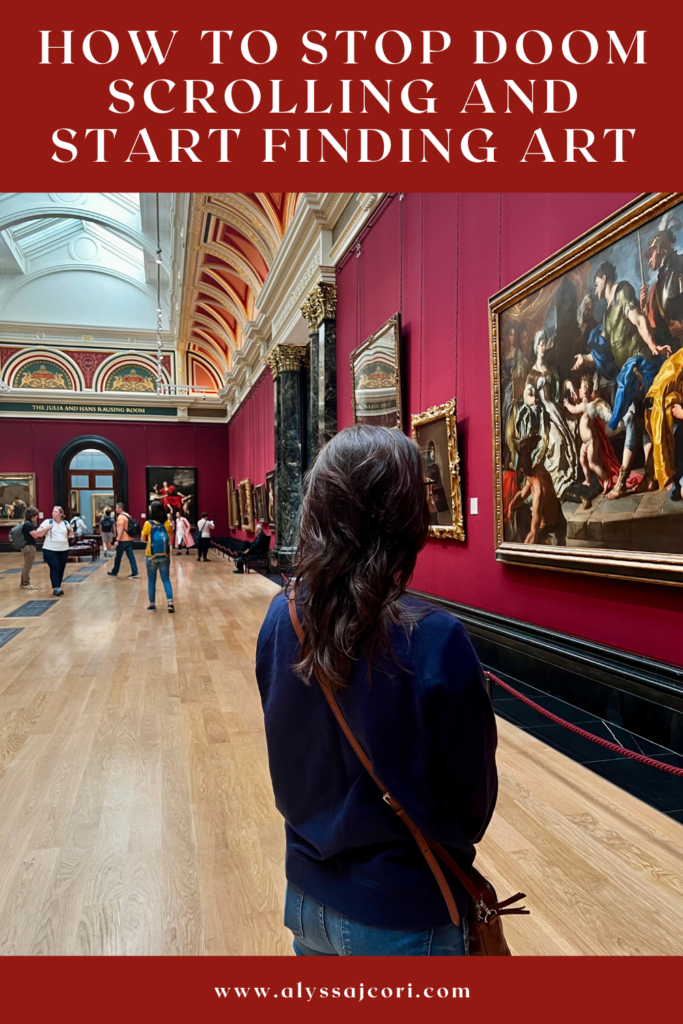
As my relationship with time has changed, I’ve found myself striving more to consume art that makes me think and makes me appreciate the artist. And time hasn’t been the only driving factor. I find that when I read a difficult book or watch a movie that helps me think critically about the world, I feel more fulfilled and inspired instead of drained and mad at myself for using my brain on entertainment that didn’t give me a new perspective.
This is not to say that what I engage with needs to be oh so high brow or that I want to struggle to understand it (although, I do think more struggle with art and its meaning is generally a good thing). I will happily enjoy lighthearted and easy media when the mood strikes. But I am challenging myself to seek out and appreciate that which helps me learn more about myself and others’ perspectives, and that makes me use my mind.
Today I’m sharing both how I find the media I decide to consume and how I’ve been intentionally engaging with it.
First, a note on how I use the word “art.” I believe that anything can be considered art. But I also think that deciding to call something art likely implies that you have some admiration for the creation and for the artist. This is what is key for me. Finding art that you respect and makes you better and more aware of the world is what makes life beautiful and fulfilling.
Finding Art
What do you Love
Over the years I’ve learned what I love. I love Dutch Old Masters and Impressionist paintings. I love historical fiction that is highly realistic and multigenerational. I love movies about struggle that aren’t too serious. Once you start to pay attention, you’ll notice patterns in your preferences and give yourself a strong base of ideas to branch off of. When you define what you love, you can better find recommendations that will suit you (I love using Gemini for this, as well as print publications) and you can assess if a show or book or exhibition is likely worth your time.
Find more of what you love
Try keeping a note on the commonalities of the things you love and using that to find new art. Using a simple search of “What are movies like XYZ” or “What books should I read if I liked ABC” will help you find more art, and likely communities, that will resonate with you.
This is also a great way to explore mediums that you might not have thought of otherwise. For example, I read Robert Caro’s The Power Broker, loved it, then decided to see a play based on the book. I wouldn’t have come across the play if I had not been seeking out more opportunities to learn about the historical figures I was exposed to through the book, and it ended up being a great experience!
Engaging with Art
Sometimes I just want to experience a book without thinking about how it connects to the wider world of literature and religion and the human experience. And sometimes I want to read every line with the mindset of an explorer uncovering clues of meaning. There is no wrong way to engage with art, and I find that having a mix of experiences keeps me excited.
Seek Variety
In practical terms, I recommend the sandwich method where a challenging experience is followed by a lighter, palate cleanser. As an example, after finishing Dostoevsky’s The Brothers Karamazov I read Anthony Bourdain’s Kitchen Confidential. It was a complete change of pace, while still helping me learn about a different life experience I’d never been exposed to before. Having variety keeps you engaged and gives your brain time to reset.
Keep a Commonplace Notebook
Another practice I have found useful is keeping a commonplace notebook. This is a fancy name for a notebook whose purpose is to house quotes, observations, and ideas. Mine is simple with a straightforward index (my categories so far include items like essay ideas, life lessons, career techniques, parenting, and quotes) and the purpose is to help me remember my ideas and to make connections. A thought I have while looking at a painting can help me better understand a piece of music or draw a parallel with the message of an article. Keeping a notebook is a great practice to help you slow down and really notice what you read.
HEar Opinions
I struggle with the concept of critics and their value (I include myself in this category to an extent when it comes to my book reviews). Sometimes I think they are useless and that if they can’t spend their time creating art themselves they have no room to judge. Other times I think they are hugely valuable for helping people to find art that will speak to them and giving an informed perspective on influences that shaped the art that I would not have otherwise known.
All this to say, seek out the critics. Understand why people hold the opinions they do without letting it cloud your own initial thoughts and judgement. I like to lightly read opinions, experience the art myself, then go and find more analysis to round out my understanding. I find this helps me still form my own thoughts while increasing my appreciation of the art.
It’s also wonderful when you can engage with people in your own life! A book or movie club or going with a friend to a concert or exhibit is not only wonderful for each of you individually, but it also deepens your connection with one another.
I would LOVE to hear your thoughts on this. How do you decide what to watch, read, and listen to?

Leave a Reply